La Llorona
About
December 12, 2025
Welcome to La Llorona. a website dedicated to a process-focused work of experimental research taking place in Toronto, Canada. It is an exploration into dance, horror, digital collage, and abject costumes of silken slime. A collective of artists takes an immersive look into the legend of La Lorona, aiming to find and create physical embodiments of her story. Scroll through the timeline to get familiar with the story.
2666
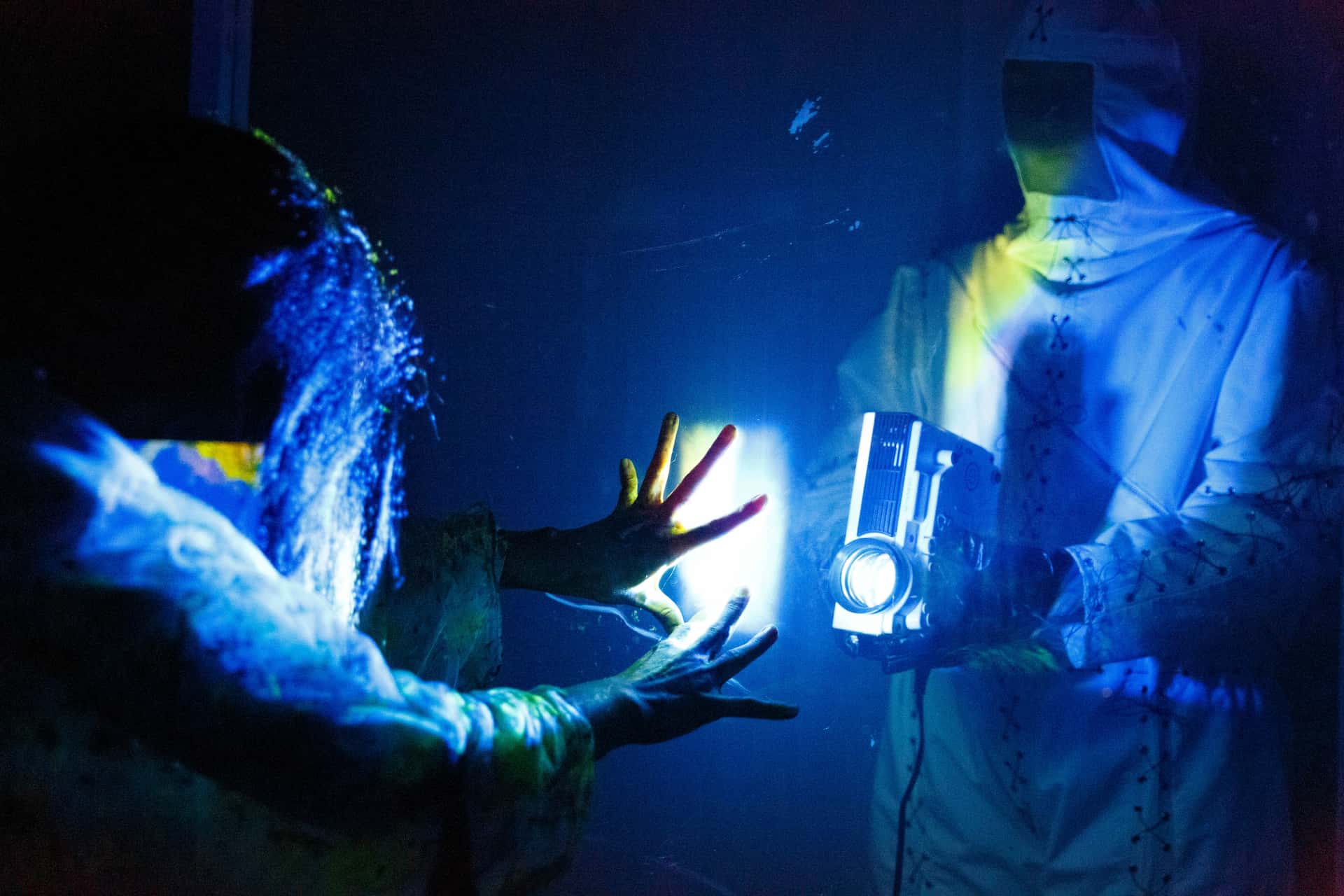
La Llorona washes up on the shores of Lake Ontario in a pile of discarded plastics and nuclear waste. She is discovered by two scientists, who take her to their laboratory and put her in a Petri dish to study her.
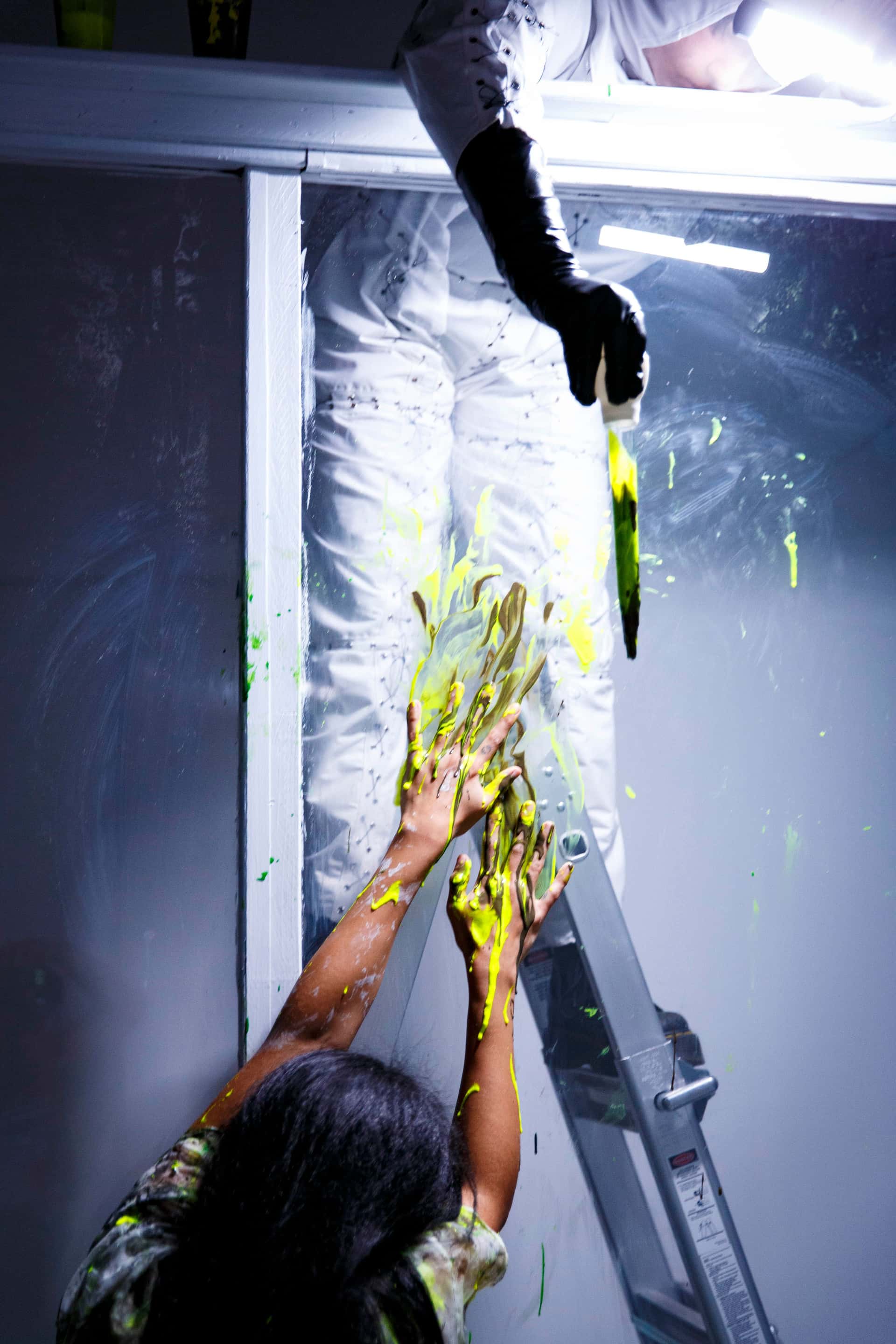
Post-apocalypse, grief has seized to exist, and so the scientists are transfixed by this wailing woman and want to study her. In the Petri dish, moulds and liquids ooze and grow from La Llorona. The scientists enter the Petri dish in hazmat suits to take samples. They attempt to recreate her habitat through projected images of what they imagine Mexico to have been like pre-climate-collapse.
Their findings: a body trapped, a body with absolutely no air or blood moving through it, the top of the head completely fused with the pelvis, small distal parts move and float- worms or fishes swimming through her living corpse. La Llorona’s movement is also sensual and sexual; a passionate, mortal, fallable, earth-locked woman. The movements of the hips as a generative pulsing to process out grief and trauma, the sacrum and pelvis as sites for change through motion.
2022
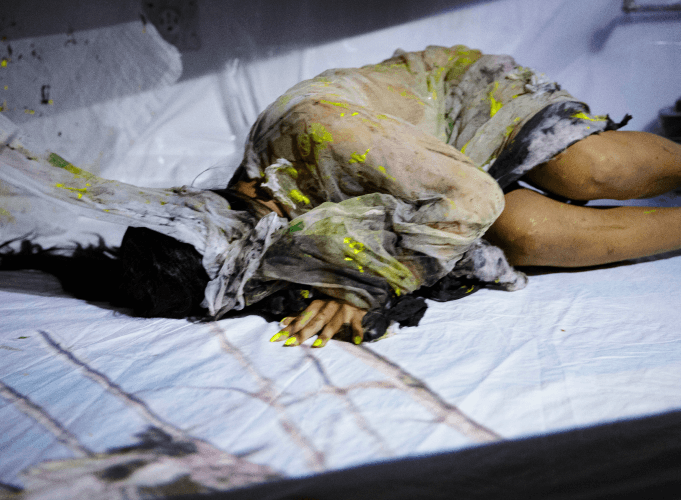
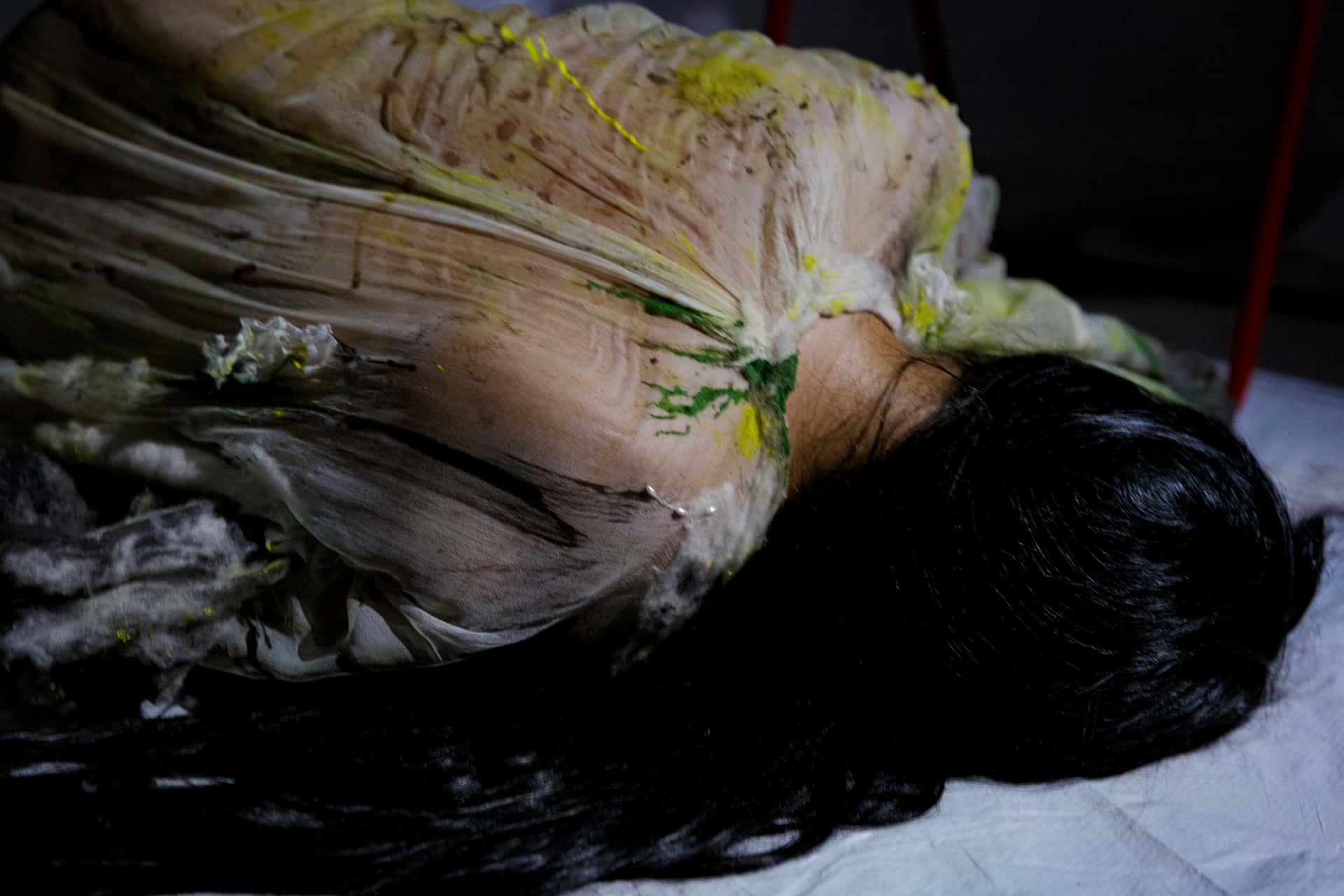
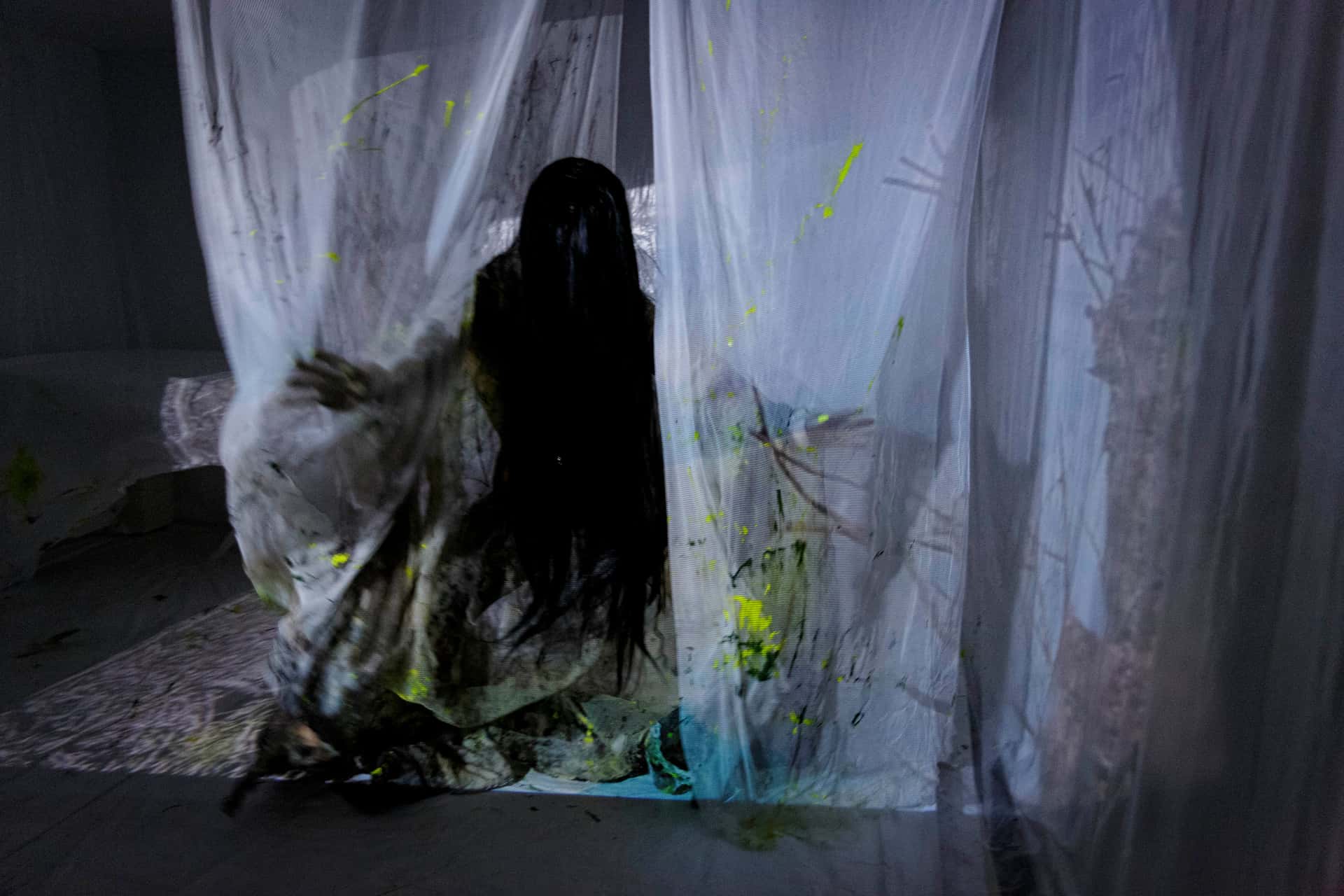
A collective of artists gather in a basement in the West End of Toronto, cover the walls in protective plastic, turn off the lights, and begin the search for La Llorona.
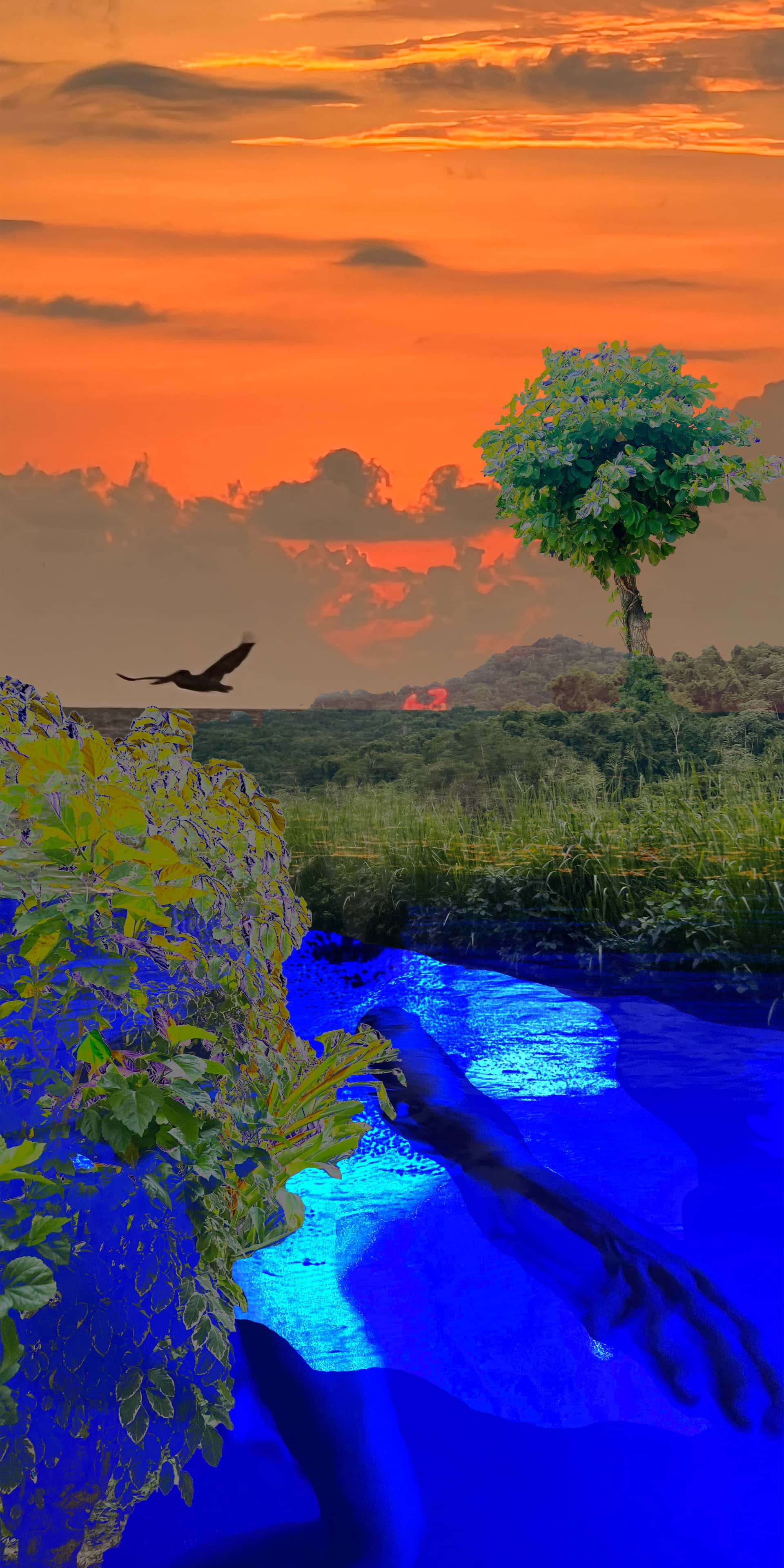
Their early references are images of pollution in the Don Valley River and the Deepwater Horizon oil spill off the Gulf of Mexico in 2010. They sink into the ambiguous black water, working with the imagery of La Llorona in ghost form, wandering the swamps wailing.
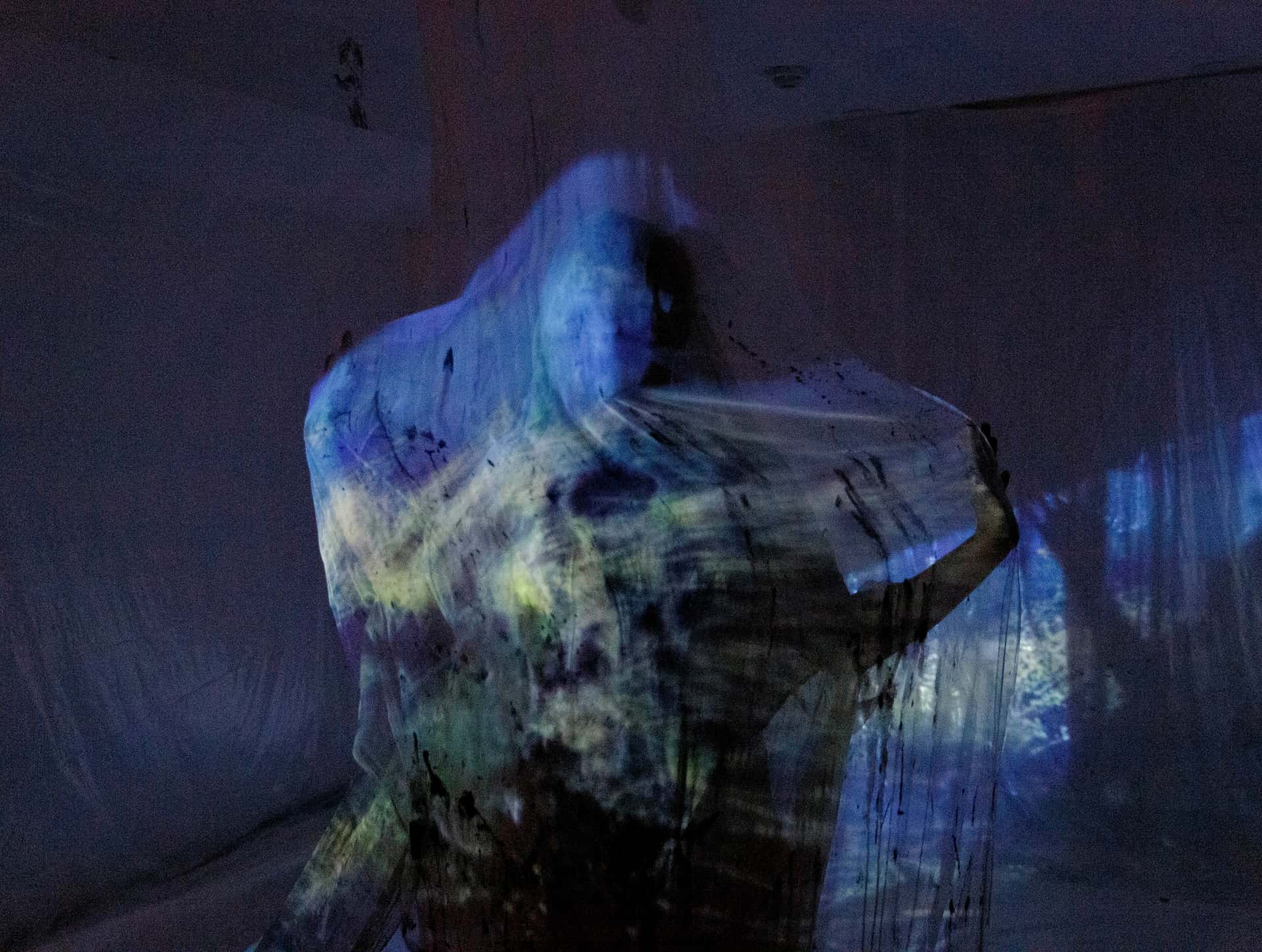
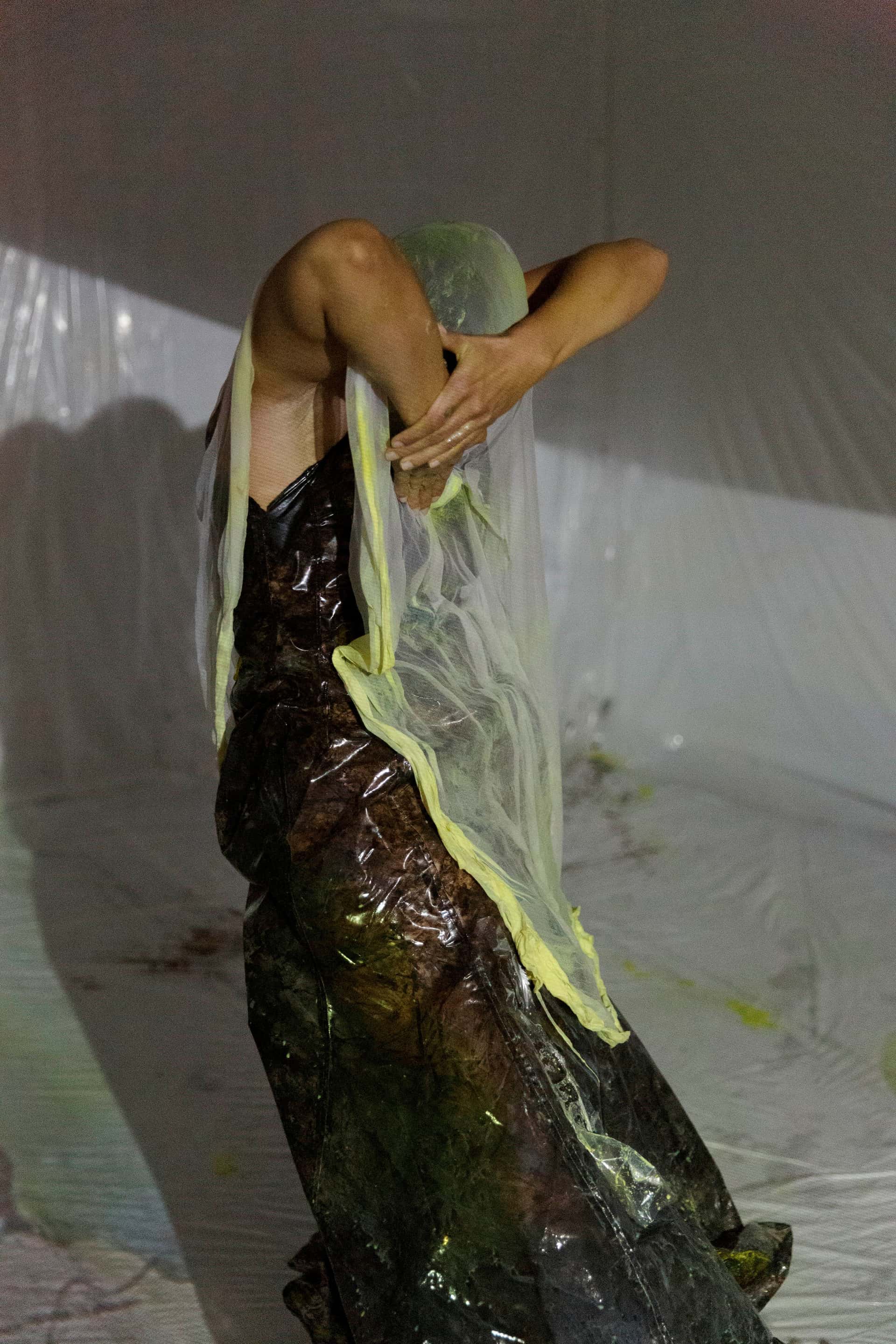
The first concept is to create a base bata de cola (traditional long-tailed flamenco skirt) out of transparent, undulating silicone, while the dancer's body underneath is painted in goop, slime or sludge-type substance. As the dance carries across the floor, the bata leaves a slimy snail trail, incorporating this trail as a visual art component to the piece.
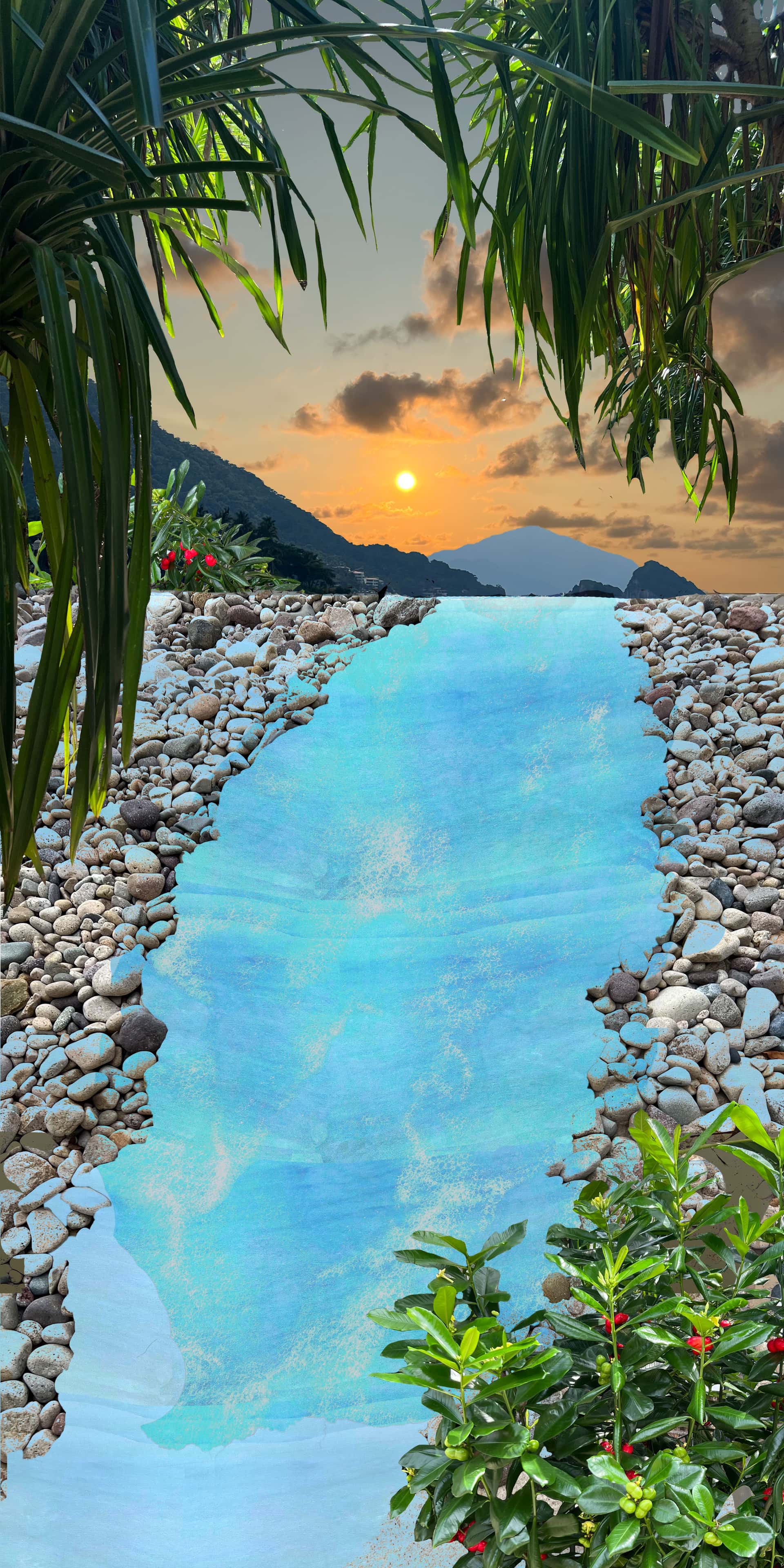
The light source in the basement is a digital collage, created and projected onto the body in movement. The collage is created out of photos of Toronto’s shorelines, plastics, colours, and imagery from the collective’s visioning journeys.
2022
Two dancers, an aunt and a niece, dance in two forests across two continents, searching for their connection to the place they are in diaspora from- Mexico.
Portraits by the River is an experimental digital collaboration in-progress. Ilse and Sofi Gudiño explore nature, belonging, loss, separation, displacement, alienation, rejection, vulnerability, sensuality, and acceptance with La Llorona as their point of departure.
Set in the natural landscapes of Canada and Spain, the two dancers embody and discover La Llorona in their separate environments and create a dialogue of what they uncover. There is a tangible interconnectedness between them, even though they are separated geographically. It is an exploration of dis/placement and presence/absence using La Llorona as metaphor.
Portraits by the River was commissioned by the Toronto Dance Theatre in 2022, and is edited and coloured by Rita Ushakova, with filming help by Nicole Karges (Canada) and Marco Pecota (Spain).
1519
One year into colonization, a young Indigenous woman in Mexico drowns her children in a river to prevent them from dying of starvation. Her cries are heard throughout the land, as she is cursed to wander the rivers for eternity.
La Llorona is a figure of Mexican folklore, and as such, there are many interpretations of the legend. In most stories, she is a young Indigenous woman who is in love with a conquistador soldier. When she discovers his affair with another woman, she drowns her children in a fit of rage. She lives on in Mexico as a ghost who wanders the swamps and waterfronts, forbidden from transitioning into the afterlife because of her filicide. When you hear crying in the wind, it is attributed to the Weeping Woman, La Llorona. Throughout all interpretations, she is seen as a controversial anti-heroine and the personification of grief.
Many have linked her story to that of Malintzin, an enslaved Nahua woman who is said to have acted as an interpreter for Cortes in his colonization of Mexico. Malintzin is simultaneously seen as the Mother of Mestizaje (mixed European and Indigenous Mexican nation), as well as a
symbol of treachery for betraying Mexico and helping the colonizers. In her story, she gave birth to Cortes’ first sons, whom she also drowned in order to save them from certain death in Spain.
The two characters serve as one source of inspiration, and are the basis of our project. We are investigating the nuance within these dark stories, translated into dance.
They ask, what is the dejected, outcast, treacherous femme’s value in dance? What of the crone archetype representation onstage? Informed by the history of this legend, our experimental multi-media performance calls out into the darkness to bring new understandings of this maligned figure.